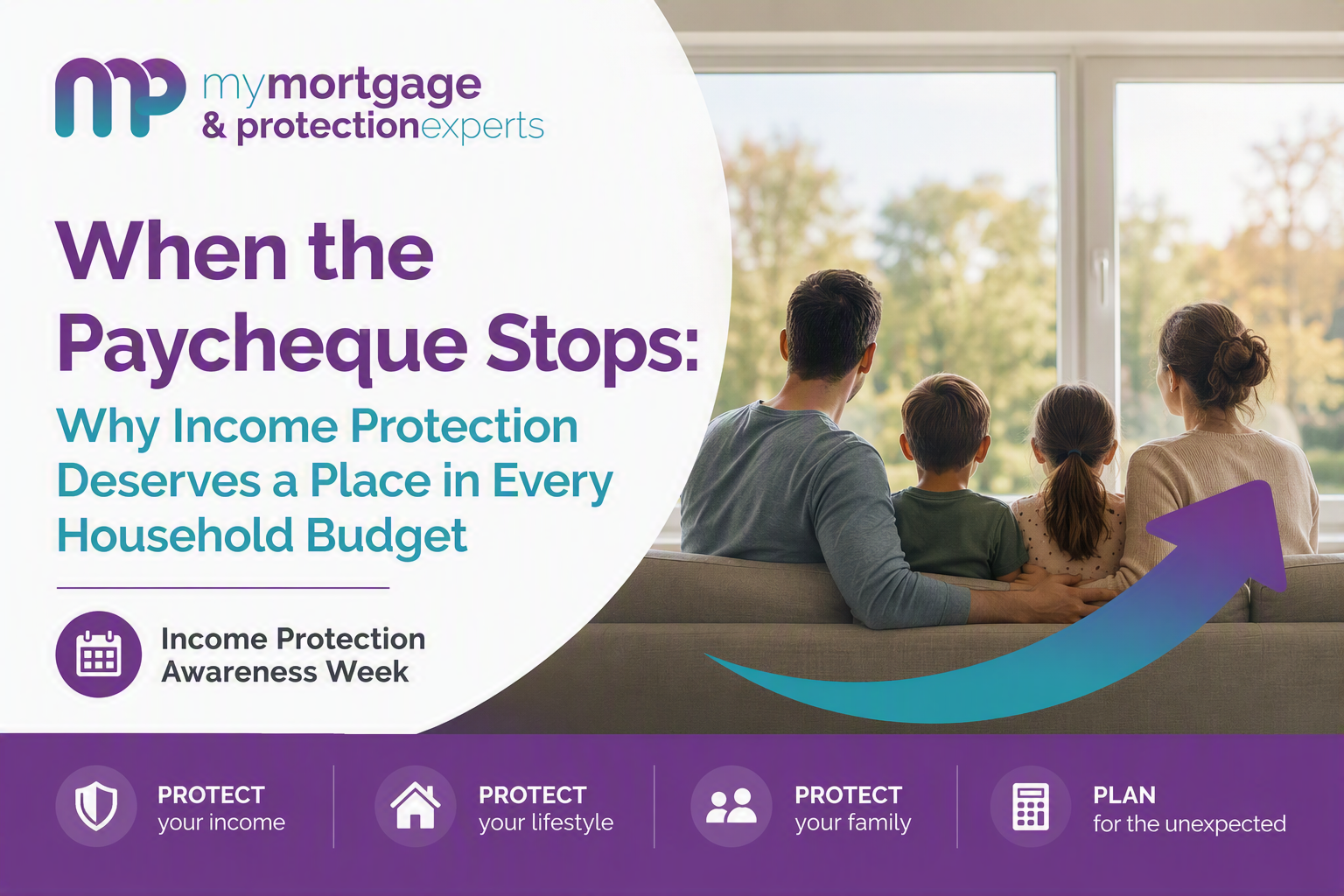
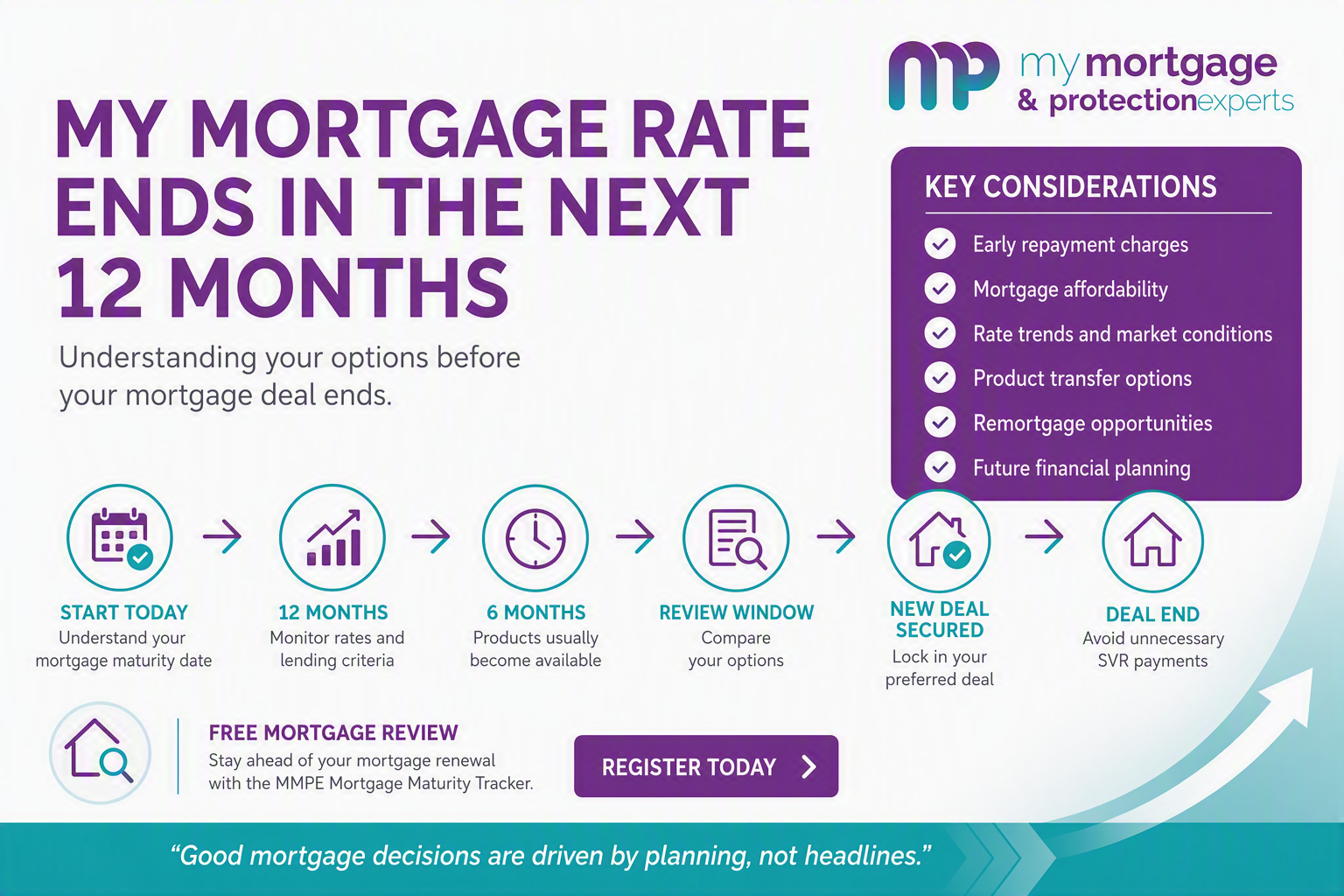
Financial confidence often masks hidden gaps in protection. Nearly 60% of people link security to carrying no debt, per CNBC’s Your Money Financial Security Survey. Income protection and life cover remain overlooked. Homeowners with mortgages carry ongoing liabilities that outlast savings, leaving families exposed without proper safety nets in place.
Why Doesn’t Feeling Secure Mean You’re Safe?
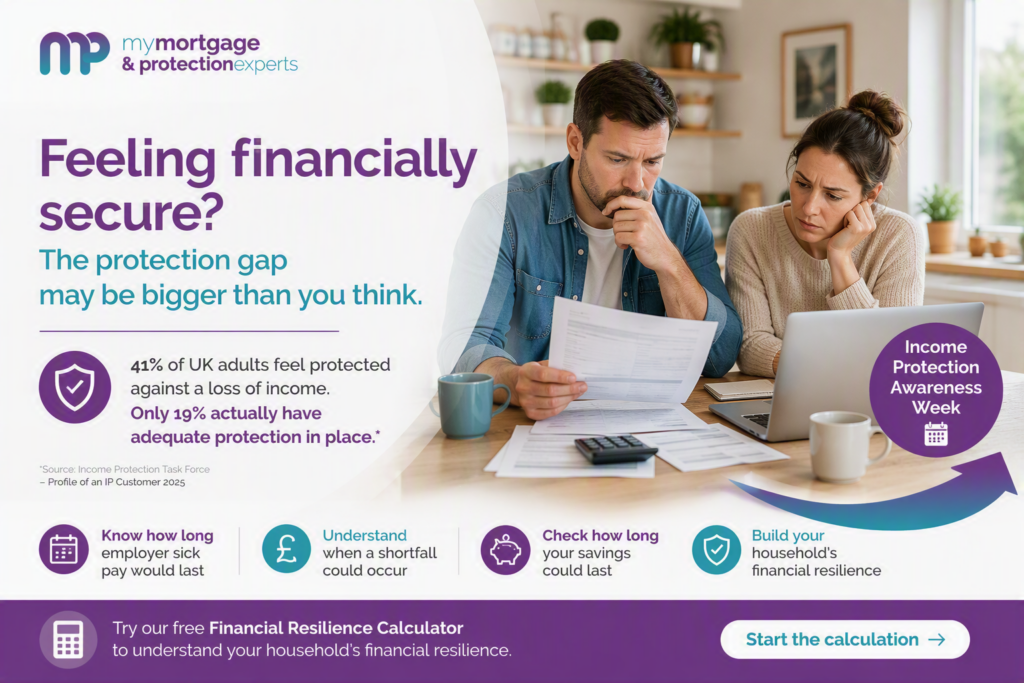
Feeling secure and being financially protected are two different things. Nearly 60% of respondents told CNBC’s International Your Money Financial Security Survey, conducted by SurveyMonkey, that being without debt — not a bigger bank balance — ranks as the top factor behind financial confidence. That finding exposes a gap between how safe homeowners feel and how protected they actually are.
A bigger paycheck doesn’t close this gap either. Worry about mortgage payments, illness, or job loss often lingers even after income rises, because the underlying risks never disappeared — they just got easier to ignore.
Does mortgage approval mean a homeowner is financially covered?
Lender approval confirms current affordability but does not guarantee future financial security. It says nothing about what happens if illness, injury, or redundancy interrupts income tomorrow. That unaddressed risk is the protection gap many mortgage holders carry without realizing it.
Income protection exists to close that exact space. It replaces a portion of income when work stops due to illness or injury, keeping mortgage payments manageable during a crisis rather than after one.
My Mortgage & Protection Experts, an independent London-based brokerage led by an adviser with over 25 years in the industry, builds whole-of-market advice around each homeowner’s real circumstances rather than assumptions. That kind of continuity across every client conversation helps families recognize genuine financial resilience. Protection that holds up under pressure, not just a mortgage that was approved once.
What’s Really Closing Your Protection Gap?
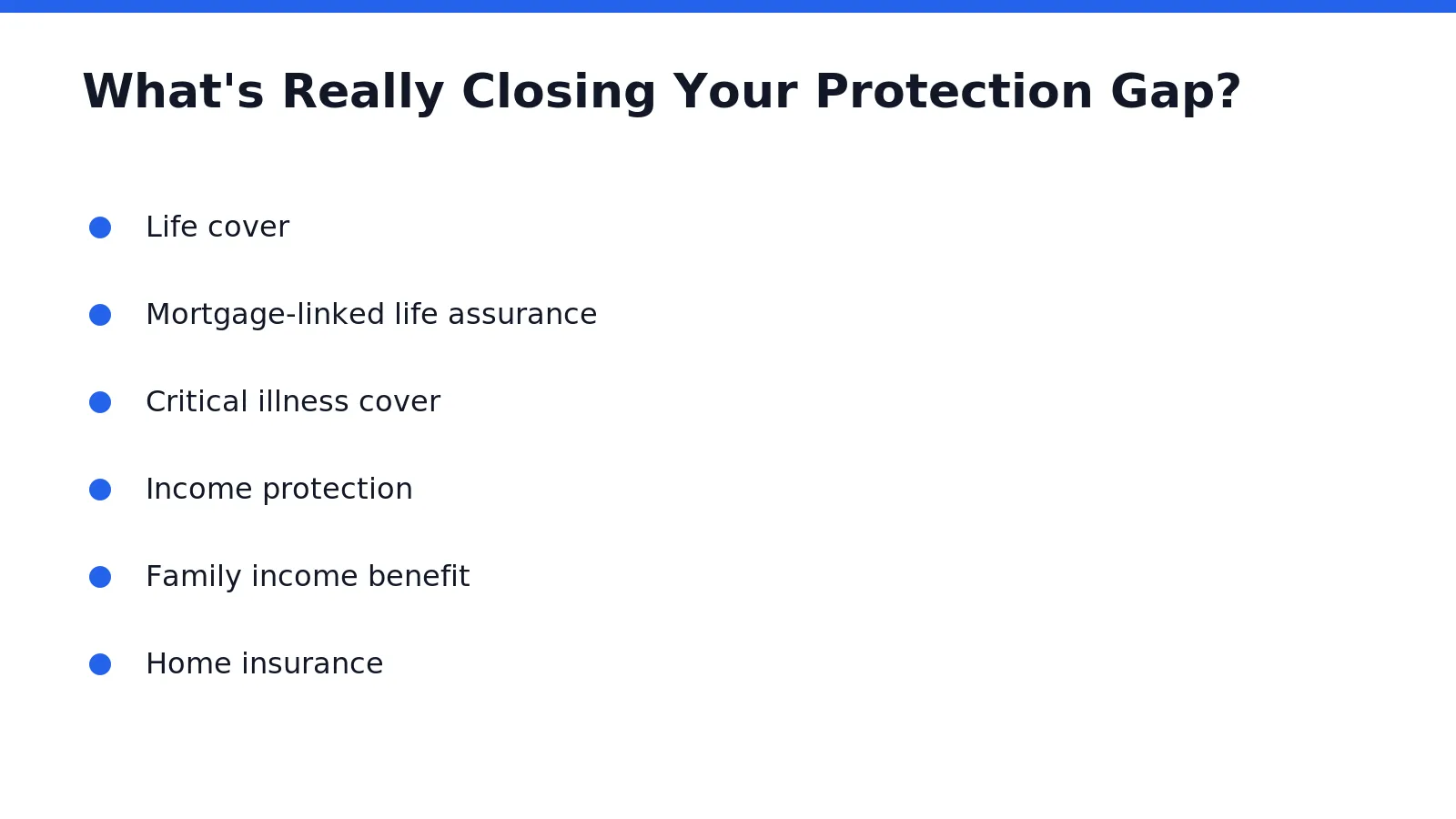
Closing a protection gap starts with pairing mortgage advice and insurance planning under one roof, not handling each separately. My Mortgage & Protection Experts structures a protection offering around six core areas, addressing the most common protection gap homeowners leave open without realizing it:
- Life cover
- Mortgage-linked life assurance
- Critical illness cover
- Income protection
- Family income benefit
- Home insurance
Every adviser at the firm holds CeMAP qualification and works across mortgages, remortgaging, and protection planning. That consistent brand identification means protection advice is ideally provided by the same specialist who arranged the mortgage, rather than a separate call center brought in after the fact.
Why does protection planning need to happen during the mortgage process, not after?
Waiting until after completion leaves a window where nothing protects the household. My Mortgage & Protection Experts builds income protection. Critical illness insurance directly into the mortgage journey, alongside access to surveyors and conveyancers. Cover isn’t an afterthought bolted on once the keys change hands.
What happens without a protection plan in place?
Without cover arranged, everyday worries about job loss or a sudden bill sit quietly behind even a carefully managed budget. That undercurrent of stress chips away at financial resilience long before an actual emergency arrives, leaving homeowners exposed exactly when they can least afford it.
How Do You Build Real Financial Resilience?
Financial resilience for homeowners rests on two pillars: practical numbers and emotional confidence. Genuine security demands a plan that protects income, not just a mortgage rate that looks good on paper. Blending the practical side of finances with the emotional side turns a spreadsheet into real peace of mind for a household.
Homeowners close their protection gap — the shortfall between what a family needs to stay afloat and what existing cover actually pays out — by pairing mortgage advice with income protection planning. MMPE’s paraplanning team, led by Sophie Flanagan, handles the detailed affordability research and application packaging behind every recommendation. Decisions rest on a resilient financial footing rather than guesswork.
What Role Does Technology Play in Resilience?
MMPE’s Sussed App lets clients track applications and manage multi-property Buy-to-Let portfolios in real time. That visibility supports steadier decisions, since homeowners see exactly where a mortgage or protection application stands instead of waiting on updates. That same continuity ties every touchpoint together, from the app to paraplanning support, giving families one trusted point of contact throughout.
Does Income Protection Really Matter for Resilience?
Income protection replaces lost earnings if illness or injury stops a paycheck, closing the exact gap that erodes financial resilience fastest.
Could Your Household Cope Without Your Income?
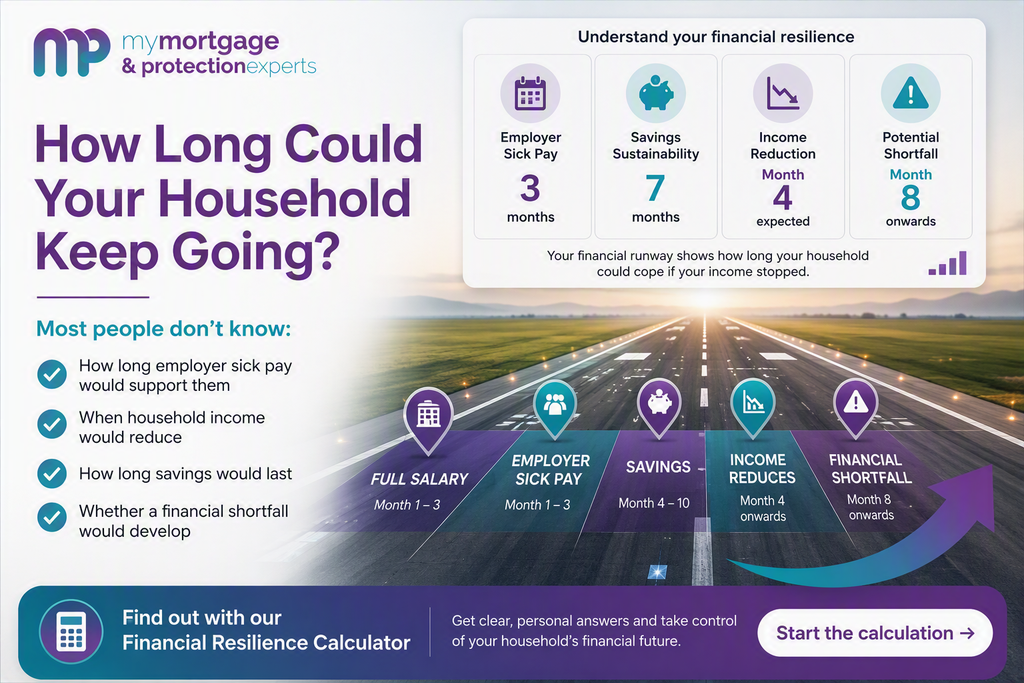
Most people have never calculated how long their household finances would last if illness or injury prevented them from working. Employer sick pay, savings and other financial resources can provide important support, but many households are unsure how long that support would actually last. Our Financial Resilience Calculator helps you understand your current position by identifying when income may reduce, how long savings could sustain essential spending and whether a financial shortfall could develop. In just a few minutes, you can gain valuable insight into the financial resilience of your household and make more informed decisions about future planning.
Use the Financial Resilience Calculator today:
Start the calculation
Conclusion
In closing, financial security isn’t just about the numbers in your account—it’s about having a clear-eyed view of your whole situation and a solid plan to protect what matters most. That’s where getting professional guidance makes all the difference. Whether you’re navigating a mortgage, exploring protection options, or simply wanting to understand your true financial position, the right adviser helps you move from feeling secure to actually being secure. Take that first step today.